
Oyo Govt Raises Alarm on Lassa Fever, Flooding, Cholera Risks Ahead of Rains
…As residents urged to improve sanitation, avoid rodent exposure, and prepare for possible flooding
The Oyo State Government has urged residents to adopt stricter environmental and hygiene practices as part of measures to prevent the spread of Lassa fever, flooding, and possible cholera outbreaks ahead of the rainy season.
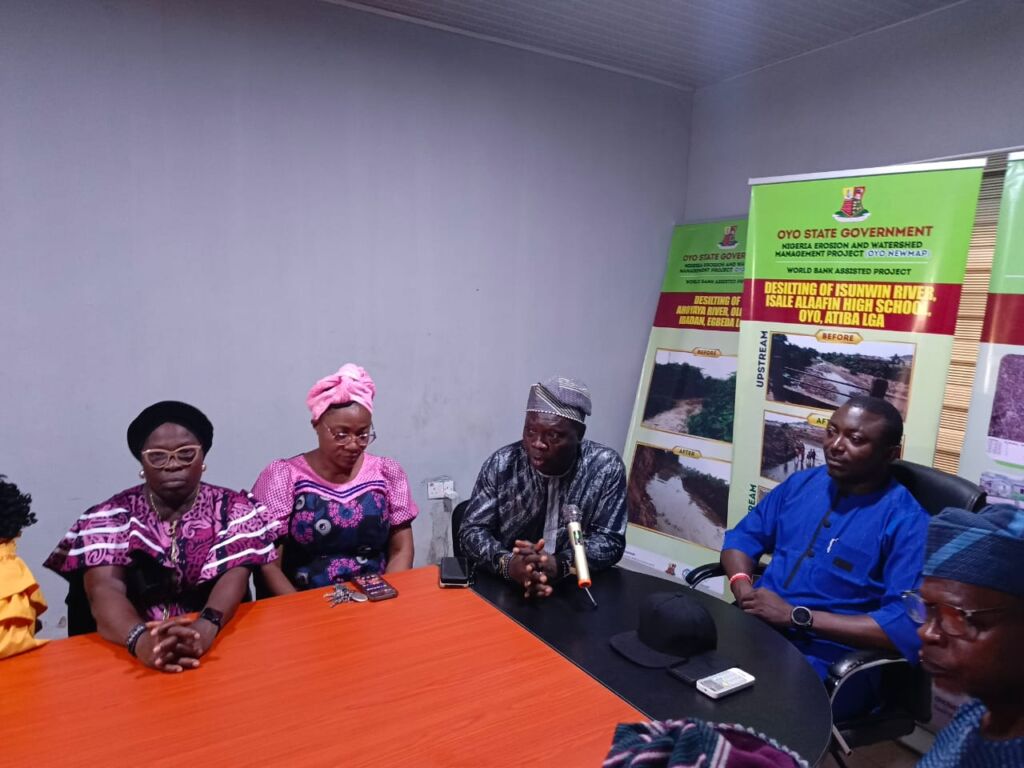
Speaking at a press conference held at the Ministry’s Conference Room, Agodi Secretariat, Ibadan, the Commissioner for Environment and Natural Resources, Engr.
Ademola Aderinto, said the briefing was aimed at keeping residents informed about ongoing and potential environmental health concerns in the state.Aderinto noted that the briefing followed earlier alerts issued by the State Ministry of Health regarding suspected cases of Lassa fever, including a reported fatality.
He clarified that while the Ministry of Health remains responsible for managing the disease, the Ministry of Environment is complementing efforts by addressing environmental factors contributing to its spread.
According to him, over 90 percent of Lassa fever transmission is linked to environmental conditions, particularly poor sanitation and exposure to rodents.
He explained that the disease is primarily spread through contact with infected rats, their urine, droppings, or contaminated food.

The commissioner warned against unhygienic practices in markets and homes, especially the exposure of food items in open spaces and improper storage methods that attract rodents. He stressed that clean environments and proper food handling can significantly reduce the risk of infection.
He called on residents to take responsibility by reporting unhygienic practices and ensuring that food and waste are properly managed. “We are not raising panic about an outbreak; we are taking preventive steps to ensure it does not occur,” he said.
Aderinto also emphasized proper waste management, noting that poorly handled refuse attracts rodents and contributes to disease spread.
He encouraged residents to separate recyclable materials such as plastics, bottles, and cans from general waste, adding that this would reduce waste volume, cut disposal costs, and improve environmental health.
On flood prevention, the commissioner referenced predictions by the Nigerian Meteorological Agency (NiMet) and the Federal Ministry of Environment indicating that Oyo State may experience flooding during the rainy season.
He disclosed that the state government has established 26 flood monitoring stations and early warning systems capable of predicting flooding within a 72-hour window.
He added that the government would continue to provide timely and precise advisories to residents.
Aderinto highlighted ongoing efforts by the state government, including regular clearing of waterways and drainage systems, which he said have significantly reduced flooding incidents in recent years.
However, he identified indiscriminate waste disposal and illegal construction on waterways as major causes of flooding.
He warned residents against dumping refuse in drainage channels and urged those living in flood-prone areas to relocate.
The commissioner also cautioned against the use of unlicensed waste collectors, noting that such operators often dispose of waste improperly, worsening environmental hazards.
On cholera prevention, Aderinto warned that increased moisture during the rainy season could lead to water contamination, particularly in areas relying on shallow wells.
He advised residents to ensure proper water sanitation and hygiene to prevent outbreaks.“Oyo State has been identified as one of the states at risk of cholera.
However, with proper precautions and compliance with government advisories, these risks can be effectively managed,” he said.
He reaffirmed the government’s commitment to working with relevant ministries, including the Ministry of Health and the Ministry of Information, to safeguard public health.
The commissioner urged residents to remain vigilant, adopt safe environmental practices, and cooperate with authorities to prevent avoidable health and environmental crises.