FG Urged to Embrace Traditional Medicine as Tool for National Development
…As Stakeholders call for policies supporting indigenous healthcare practices
…Participants encourage households to grow food and medicinal plants at home
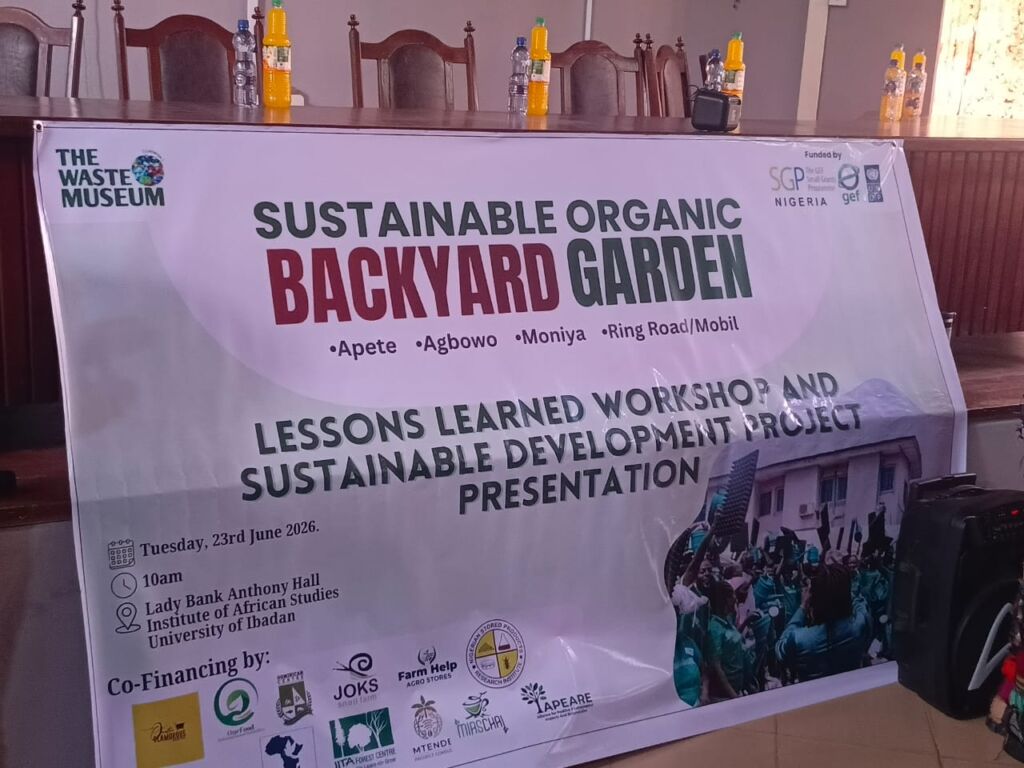
Stakeholders in herbal medicine have called for increased adoption of organic backyard gardening and the preservation of indigenous knowledge as tools for improving public health, food security and economic development in Nigeria.
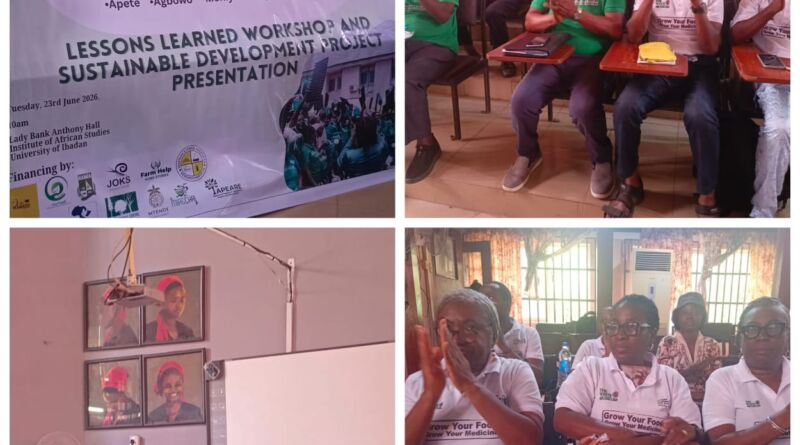
The call was made at the Sustainable Organic Backyard Garden Workshop and Sustainable Development Project Presentation held at the Institute of African Studies, University of Ibadan.
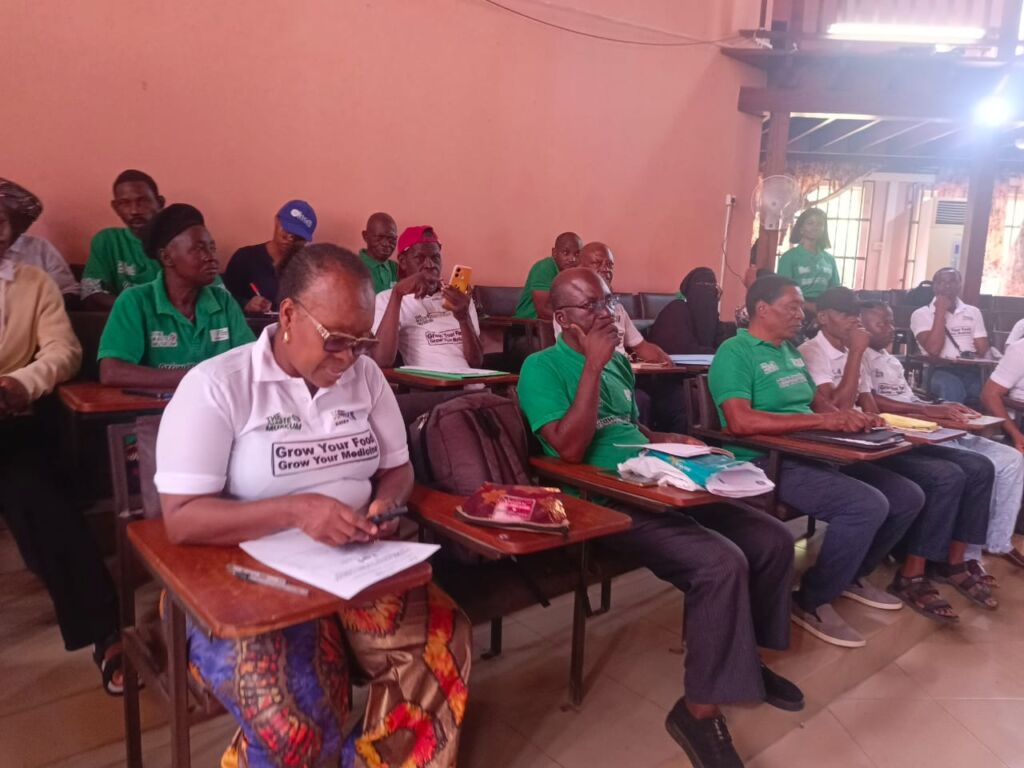
While speaking to the participants, An associate Professor of Traditional Medicine at the Institute, Professor Obafemi Jegede, urged the Federal Government to give greater recognition to traditional medicine, describing it as a largely untapped resource capable of boosting healthcare delivery and economic growth.
Prof. Jegede noted that traditional medicine remains widely used across Africa and stressed the need for policies that support its integration into the nation’s healthcare system.
In her remarks, The representative of the National Coordinator of the Global Environment Facility Small Grants Programme, Dr. Oluwatoye, and the Chief Executive Officer of Life Builders, also encouraged Nigerians to embrace agriculture and maximize the use of available land resources.
She emphasized the importance of preserving indigenous knowledge and creating value chains around local products to drive national development.
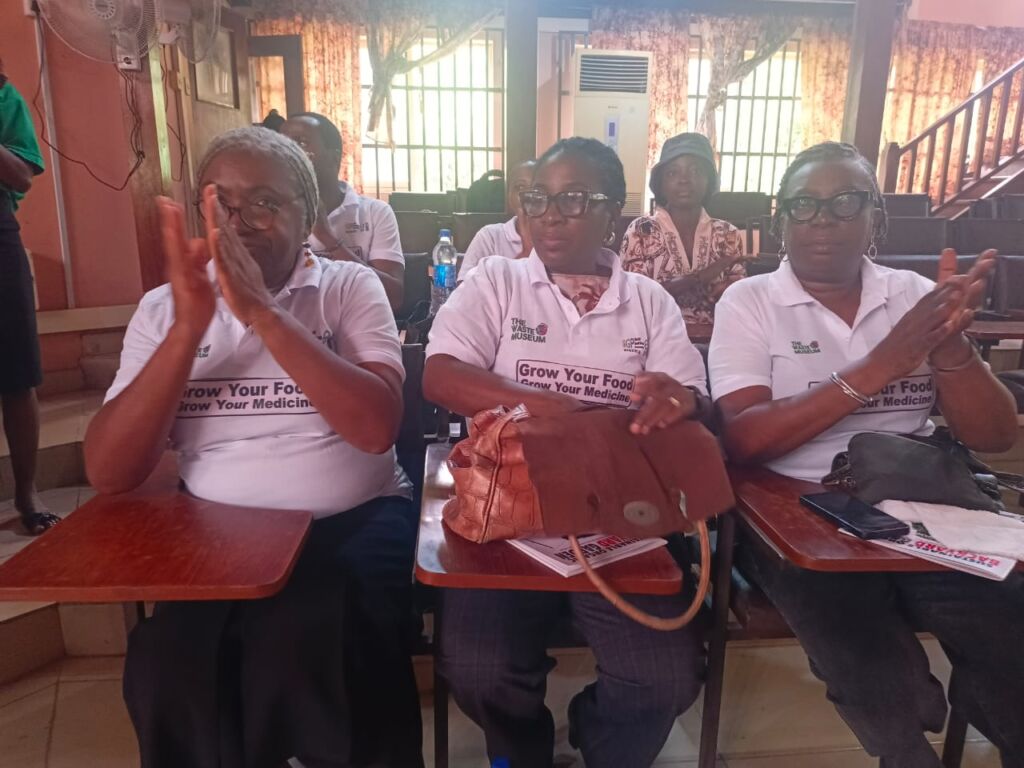
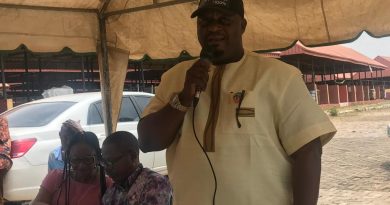
Also speaking, one of the discussants, Princess Funke Arokodare described organic backyard gardening as a pathway to healthy living and wealth creation.
She encouraged households to cultivate vegetables and medicinal plants at home to promote healthier diets and reduce food expenses.
In her, lecture the Founder of Ope Farms, Mrs. Olusola Sowemimo, highlighted the benefits of organic farming, noting that it promotes healthier food production, environmental sustainability and improved livelihoods.
She called on government at all levels to support grassroots farming initiatives through seed distribution, training and policy support.
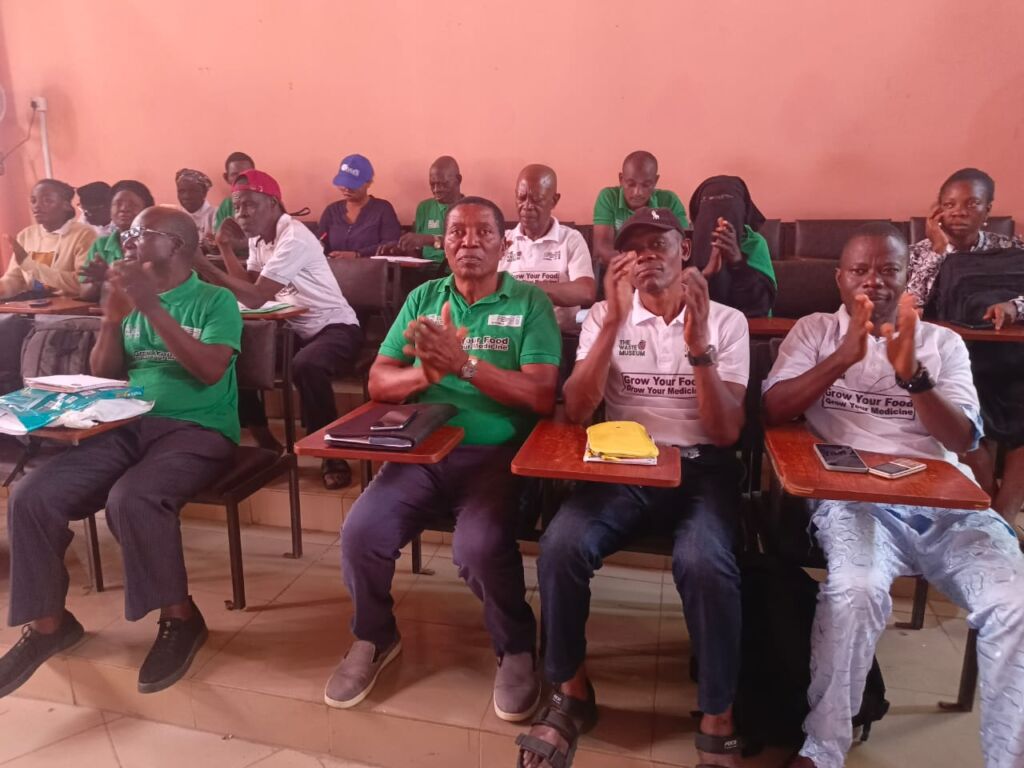
In her welcome address, the Convener of the Sustainable Organic Backyard Garden Project and Founder of the Waste Museum, Mrs. Jumoke Olowookere, disclosed that over 1,500 backyard gardeners were trained under the project with support from the Global Environment Facility Small Grants Programme and the United Nations Development Programme.
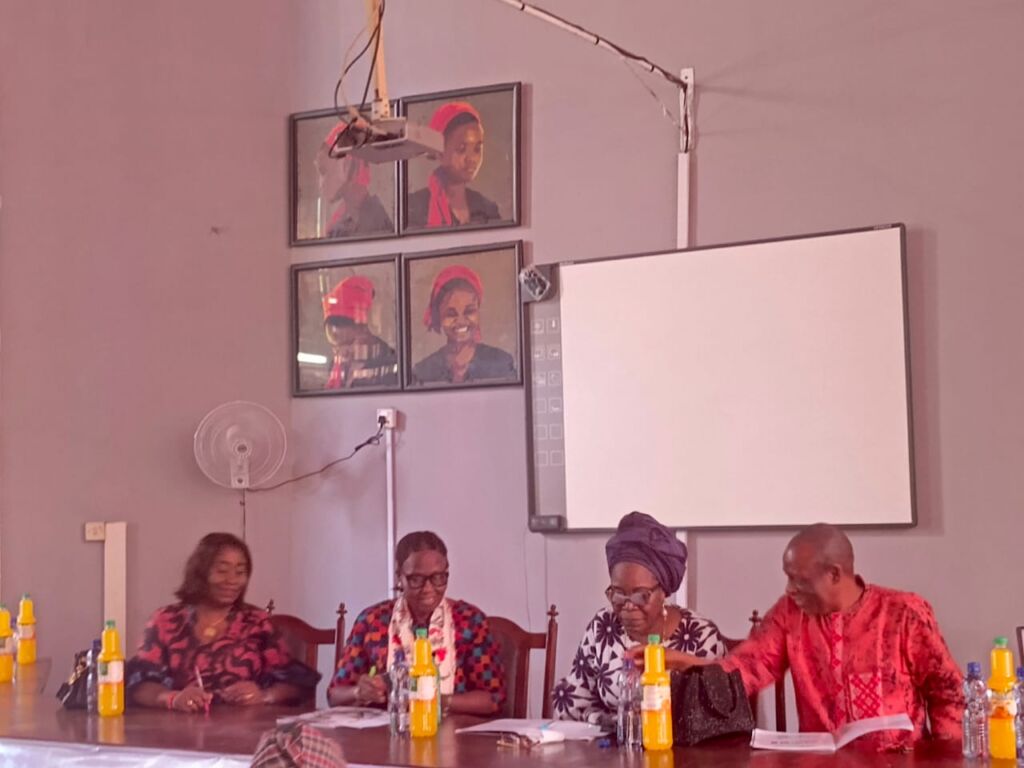
She explained that participants were provided with seeds, seedlings and training to grow food and medicinal plants, adding that many beneficiaries are already earning income from their backyard gardens.
Mrs. Olowookere said the project would continue through a cooperative structure established to sustain training and support for participants beyond the official completion of the programme.