Democracy Under Threat, Not Makinde’s Words — Ewenla
…PDP leader defends opposition figures, calls for fairness and accountability
A fresh war of words has erupted between Nigeria’s ruling All Progressives Congress (APC) and opposition figures following comments involving Seyi Makinde, governor of Oyo State, with accusations and counter-accusations over threats to democratic stability.
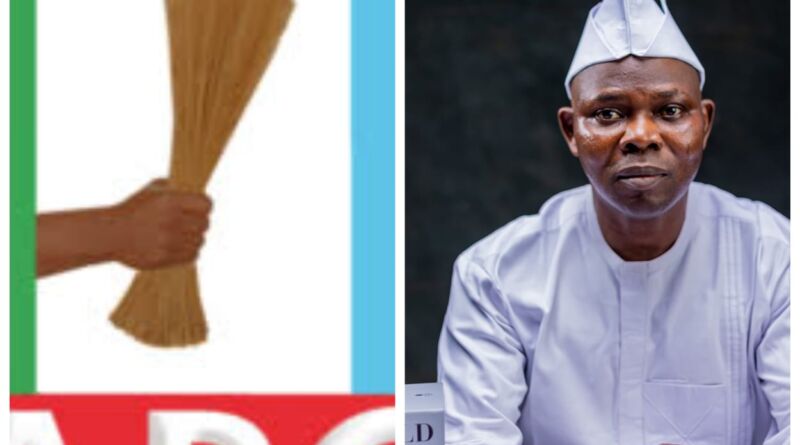
This was in a statement issued in Abuja by Prince Adedipe Dauda Ewenla, a Peoples Democratic Party (PDP) Southwest Ex-officio, who rejected claims by the APC that Makinde’s remarks amounted to incitement.
The APC, through its National Publicity Secretary, Felix Morka, had criticized the governor’s comments and questioned his intentions.
Ewenla argued that Makinde’s reference to historical events such as “Operation Wetie” was meant as a cautionary reminder of Nigeria’s political past rather than a call to violence.
He maintained that the governor’s remarks were aimed at warning against what he described as the suppression of opposition voices under the administration of President Bola Ahmed Tinubu.
The PDP chieftain further accused the ruling party of contributing to instability within opposition ranks, alleging interference in party affairs.
He cited reports of alleged links involving the President’s Chief of Staff, Femi Gbajabiamila, in internal opposition matters, claims that have not been officially confirmed.
According to the statement, concerns are growing among Nigerians about the perceived weakening of democratic institutions.
Ewenla pointed to what he described as increasing public skepticism toward bodies such as the Independent National Electoral Commission (INEC) and parts of the judiciary, alleging they are being used against opposition figures.
He also defended prominent opposition leaders, including Atiku Abubakar and Peter Obi, stating that they have consistently advocated for peaceful political engagement, electoral reforms, and accountability.
The statement warned against what it described as attempts to dominate Nigeria’s political space, emphasizing that democratic systems depend on dissent and competitive opposition.
It added that voters would ultimately determine the country’s political direction in the lead-up to the 2027 general elections.