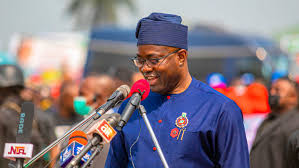

The Importance of Having Qualified and Certified Food Professionals as Legislators in Nigeria|Fagbemi Stephen
Food is central to human existence, national development and public wellbeing. Every citizen requires safe, nutritious and affordable food to live a healthy and productive life. Yet, despite the importance of food to Nigeria’s survival and development, food-related matters are often treated as secondary issues in public policy and legislative debates. This situation calls for a deliberate effort to encourage qualified and certified food professionals to serve as members of the National and State Houses of Assembly.
A food professional is trained in areas such as food science, food technology, nutrition, food safety, quality control, food processing, food production, hospitality and related disciplines. Such professionals possess the technical knowledge required to understand the entire food chain—from production and processing to storage, distribution, marketing and consumption. Their participation in lawmaking would greatly improve the quality of legislation and public policies relating to food, agriculture, health, industry and national development.
Food Safety and Public Health
One of the most important reasons for having food professionals in the legislature is the need to protect public health. Unsafe food can cause food poisoning, disease outbreaks, malnutrition and, in severe cases, death. Contaminated water, unhygienic food handling, adulterated products, improper storage and the use of harmful chemicals remain serious challenges in Nigeria.
A qualified food professional in the legislature would be better positioned to identify the causes of these problems and propose practical solutions. Such a legislator would understand the importance of food safety standards, laboratory testing, hazard analysis, hygienic production practices, proper labelling and effective inspection systems. He or she would also be able to advocate for stronger enforcement of regulations by relevant agencies, including the National Agency for Food and Drug Administration and Control, the Standards Organisation of Nigeria and other regulatory bodies.
Food safety legislation should not be based solely on political considerations. It requires scientific and professional understanding. The presence of certified food professionals in the legislature would help ensure that laws protecting consumers are realistic, enforceable and consistent with international best practices.
Strengthening Food Security in Nigeria
Nigeria has enormous agricultural potential, yet millions of Nigerians continue to experience hunger and food insecurity. Food insecurity is not caused only by insufficient agricultural production. It is also linked to post-harvest losses, inadequate storage facilities, poor transportation systems, insecurity, climate change, inflation and weak food distribution networks.
Food professionals understand that food security involves more than producing crops and livestock. It includes the availability, accessibility, affordability, safety and nutritional quality of food. Their expertise would help lawmakers develop comprehensive policies that address the entire food value chain.
As legislators, food professionals could promote investments in food processing, preservation, cold-chain systems, warehouses, rural infrastructure and modern distribution networks. These measures would reduce food waste, increase the shelf life of agricultural products, create employment and make food available throughout the year.
Improving Nutrition and Reducing Malnutrition
Nigeria continues to face the burden of malnutrition in different forms, including undernutrition, micronutrient deficiencies, stunting, wasting and obesity. Children, pregnant women, the elderly and vulnerable households are particularly affected.
Food professionals, especially those with expertise in nutrition and food science, can contribute to policies that promote balanced diets and healthy eating habits. They can support effective school feeding programmes, food fortification initiatives, nutrition education and the development of affordable, locally produced nutritious foods.
Legislators with professional knowledge of food and nutrition would also be better equipped to examine claims made by food manufacturers and ensure that food labels provide accurate and useful information to consumers. They could support policies that discourage misleading advertising and protect children from unhealthy food marketing.
Promoting Agriculture, Agro-Processing and Industrial Development
Agriculture remains a major part of Nigeria’s economy, but the country still imports many processed food products that could be produced locally. This situation places pressure on foreign exchange, weakens local industries and limits employment opportunities.
Qualified food professionals can help bridge the gap between agriculture and industrial development. They understand how raw agricultural materials can be converted into safe, high-quality and marketable products. Their participation in lawmaking could promote agro-processing industries, support small and medium-sized enterprises, improve access to funding and encourage the use of appropriate technologies.
By creating a favourable legislative environment for local food production, Nigeria can reduce dependence on imported food, empower farmers, support entrepreneurs and strengthen the value of the naira. Food professionals in the legislature would be strong advocates for policies that promote value addition and the development of competitive Nigerian food brands.
Evidence-Based Lawmaking
Many policies fail because they are developed without adequate technical knowledge or reliable data. Food-related legislation requires scientific, economic and social understanding. It must take into account issues such as food composition, public health, environmental sustainability, consumer behaviour, trade and industrial standards.
A qualified and certified food professional would bring evidence-based thinking into legislative deliberations. Such a person would be able to ask relevant questions, evaluate technical reports, examine proposed regulations and identify possible risks before laws are enacted.
The legislature makes decisions that affect food producers, processors, traders, restaurants, institutions and consumers. The inclusion of food professionals would improve the quality of committee hearings, public consultations, budget reviews and oversight activities relating to food and agriculture.
Effective Oversight of Food-Related Institutions
In addition to making laws, the National and State Houses of Assembly perform oversight functions. They monitor government ministries, departments and agencies and assess how public funds are used.
Food professionals serving as legislators would be able to conduct more meaningful oversight of institutions responsible for agriculture, health, education, environment, water resources and food regulation. They could examine whether food safety laboratories are adequately equipped, whether inspectors are properly trained and whether government programmes are achieving their intended goals.
Their professional knowledge would also assist in detecting gaps, duplication and inefficiency within food-related policies and programmes. This would promote accountability and ensure that public resources are directed toward interventions that genuinely improve the lives of Nigerians.
Protecting Consumers and Promoting Ethical Food Practices
Consumers have the right to safe, wholesome and properly labelled food. Unfortunately, some consumers are exposed to adulterated, expired, counterfeit or poorly packaged food products. Others are deceived by false claims or denied adequate information about what they are consuming.
Food professionals in the legislature would be well placed to promote consumer protection laws and strengthen penalties for individuals and organisations that endanger public health. They could also encourage ethical practices among food manufacturers, retailers, caterers and importers.
However, effective consumer protection should not be limited to punishment. It should also involve public education, support for compliance, improved inspection and cooperation between regulators and industry. A professional legislator would understand the need for a balanced approach that protects consumers while supporting legitimate businesses.
Responding to Climate Change and Emerging Food Challenges*
Climate change is affecting food production through irregular rainfall, drought, flooding, heat stress, pests and changing agricultural seasons. These challenges threaten both food availability and food prices.
Food professionals can contribute to legislation that promotes climate-smart agriculture, sustainable food processing, efficient energy use, water conservation and the reduction of food waste. They can also support research into resilient crops, alternative food sources and improved preservation technologies.
In addition, Nigeria must prepare for emerging challenges such as food fraud, antimicrobial resistance, novel foods, biotechnology, changing consumer preferences and global food trade requirements. Legislators with professional food qualifications would be better prepared to address these complex issues.
The Need for Certification, Professional Ethics and Competence
It is not enough for an individual to claim an interest in food matters. Representation in the legislature should be supported by recognised academic qualifications, professional training, certification and practical experience. Certified food professionals are bound by standards of competence and ethics. They are expected to maintain professional knowledge and apply scientific principles responsibly.
Professional certification provides assurance that a person possesses the required knowledge and skills to contribute effectively to food-related policymaking. It also promotes public confidence and encourages accountability. A legislator who is a qualified and certified food professional can combine political responsibility with technical competence.
Nevertheless, professional qualification does not replace the broader qualities required of a good legislator. Integrity, commitment, empathy, courage, constitutional knowledge and respect for democratic values remain essential. The ideal food professional in the legislature should therefore combine technical expertise with good leadership, legal understanding and a genuine commitment to public service.
Conclusion
The presence of qualified and certified food professionals in the National and State Houses of Assembly is vital to Nigeria’s progress. Food is connected to health, education, agriculture, employment, trade, industry, poverty reduction and national security. It should therefore be given the serious legislative attention it deserves.
Food professionals can make valuable contributions to the development of laws on food safety, nutrition, food security, agro-processing, consumer protection, environmental sustainability and public health. They can promote evidence-based policymaking, strengthen oversight and help Nigeria build a safer, healthier and more self-sufficient food system.
Nigeria needs legislators who understand not only the politics of food, but also its science, technology, economics and social consequences. For this reason, qualified and certified food professionals should be encouraged, supported and elected into the National and State Houses of Assembly. Their participation will contribute significantly to building a Nigeria where every citizen has access to safe, nutritious, affordable and sustainable food.
By:
Fagbemi Stephen Ph.D, LL.B, LL.M, FNIFST