PDP Chieftain Faults Naming of Public Projects After Tinubu, Insist National Assets Reflect Nigeria’s Collective History
…Says government should prioritise tackling economic hardship, insecurity and protecting Nigeria’s historical legacy
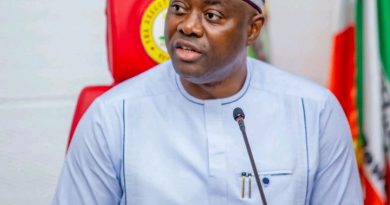
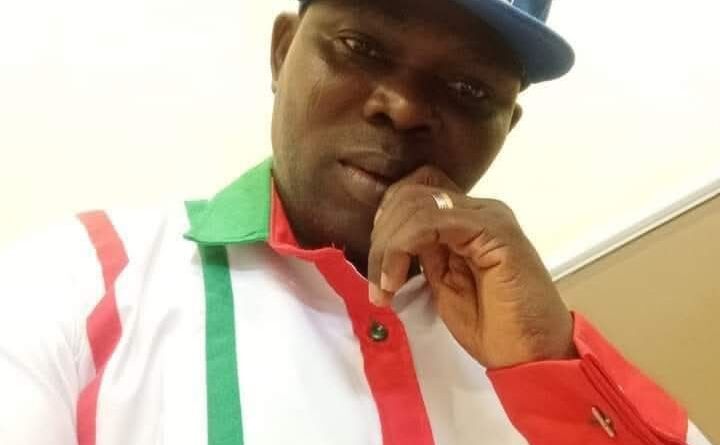
The People’s Democratic Party, PDP, South-West Ex-Officio and the party’s House of Representatives candidate for Alimosho Federal Constituency, Dr. Adedipe Dauda Ewenla, has criticised what he described as the increasing trend of naming public projects after President Bola Ahmed Tinubu while he is still in office.
In a statement titled “The Politics of Self-Recognition Over National Legacy,” Ewenla argued that true leadership is defined by humility, saying national monuments and public infrastructure should reflect Nigeria’s collective history and honour the contributions of citizens across generations rather than serving as symbols of personal recognition.
He listed several projects and public facilities bearing the President’s name, including the Lagos-Calabar Coastal Highway, the International Conference Centre in Abuja, the Bola Ahmed Tinubu Building at the National Assembly Library, the Bola Ahmed Tinubu Barracks, the Bola Ahmed Tinubu International Airport in Minna and other facilities across the country.
According to him, the renaming of existing public assets has raised concerns among many Nigerians, who believe the administration should focus on addressing pressing national issues such as inflation, unemployment, insecurity, rising food prices, energy costs and the declining purchasing power of citizens.
Ewenla also maintained that previous presidents, governors and other national leaders deserve recognition for their contributions, arguing that preserving the historical identity of public projects is preferable to renaming them after serving public officials.
The PDP chieftain urged the Federal Government to prioritise economic recovery, improved security and better living conditions for Nigerians.
He added that citizens retain the constitutional right to assess the performance of elected leaders and express their views through peaceful democratic participation during elections.