
Oyo State Moves to Deepen Climate Action Through Grassroots Engagement
… As Officials urge coordinated reporting, awareness and environmental action at grassroots level
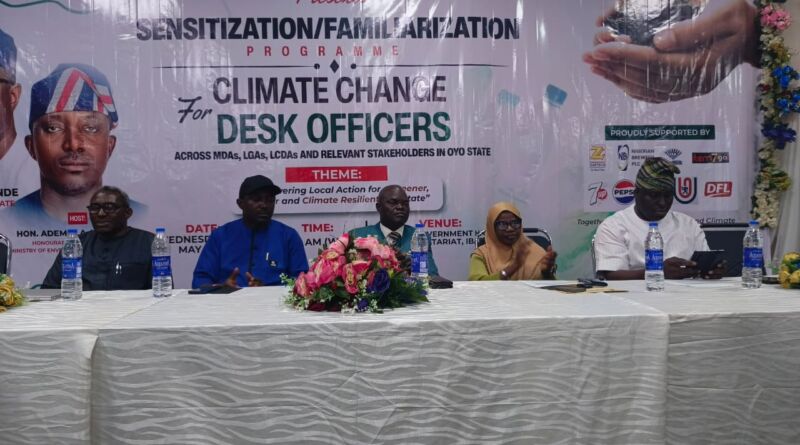
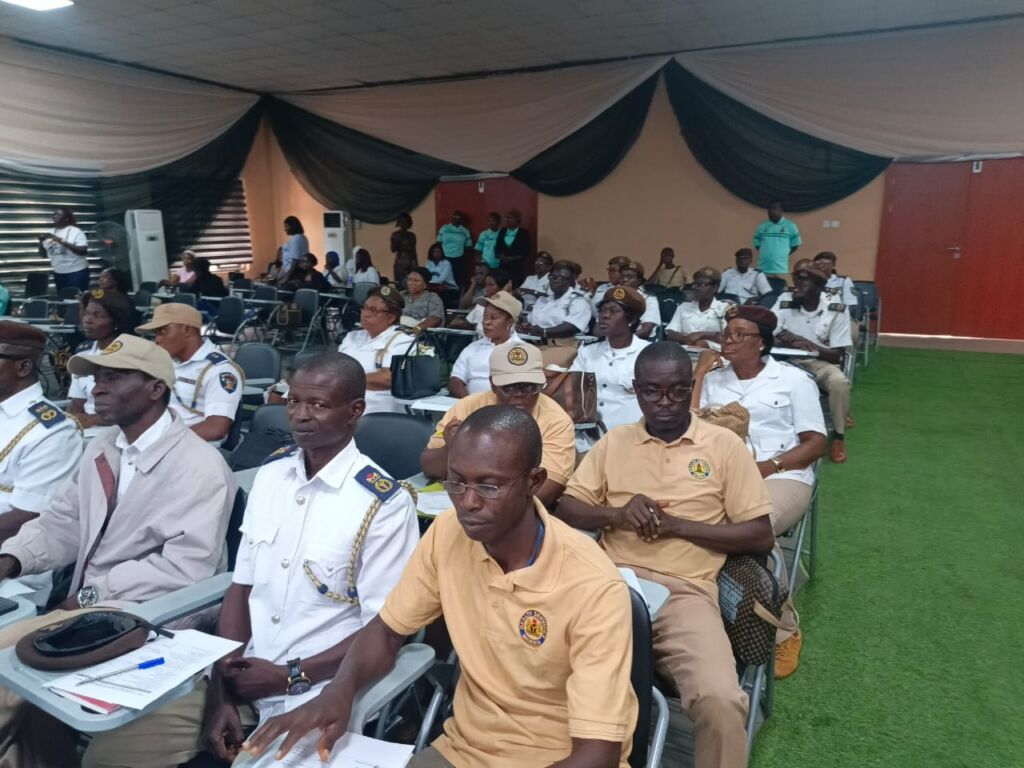
The Oyo State Government has reaffirmed its commitment to climate resilience and environmental sustainability with the launch of a sensitization and familiarization programme for Climate Change Desk Officers across Ministries, Departments and Agencies (MDAs), Local Government Areas (LGAs), Local Council Development Areas (LCDAs), and other stakeholders.
The programme, themed “Delivering Local Action for a Greener, Cleaner and Climate-Resilient Oyo State,” was declared open by the Secretary to the State Government, Prof. Musibau Babatunde, who was represented by the Permanent Secretary to the Cabinet, Mr. Ojelabi Olusola.
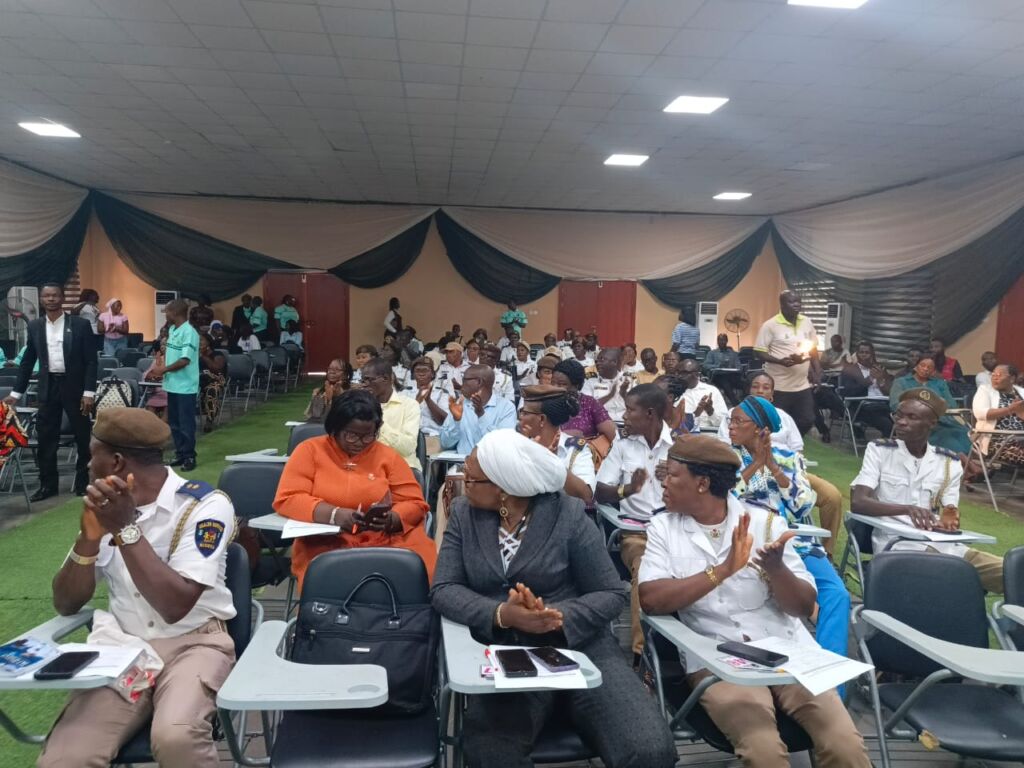
Speaking at the event, Olusola said the state’s improvement from the 34th to the 7th position in national climate governance rankings was a reflection of the government’s deliberate environmental policies and initiatives.
He noted that the state government was now extending climate action efforts to local governments, LCDAs, and MDAs to ensure wider participation and measurable impact at the grassroots level.
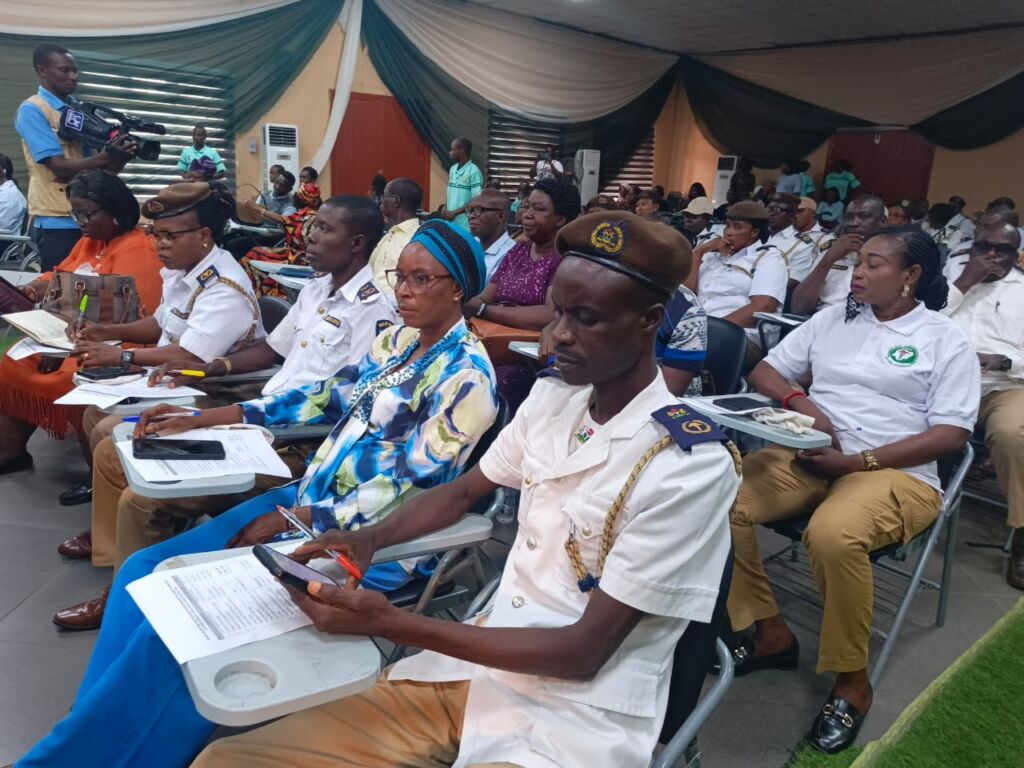
According to him, the state plans to reassess its climate performance within the next year, urging participants to establish effective monitoring and reporting systems to track climate-related activities across their domains.
Olusola suggested the creation of a coordinated communication platform, such as WhatsApp groups, for regular updates, while recommending weekly reports for better documentation and assessment of progress.
“For the betterment of humanity, the programme is hereby declared open,” he said.
Earlier in his welcome address, the Commissioner for Environment and Natural Resources, Engr. Ademola Aderinto, described the programme as a strategic step towards strengthening climate governance, institutional coordination, and grassroots environmental sustainability in the state.
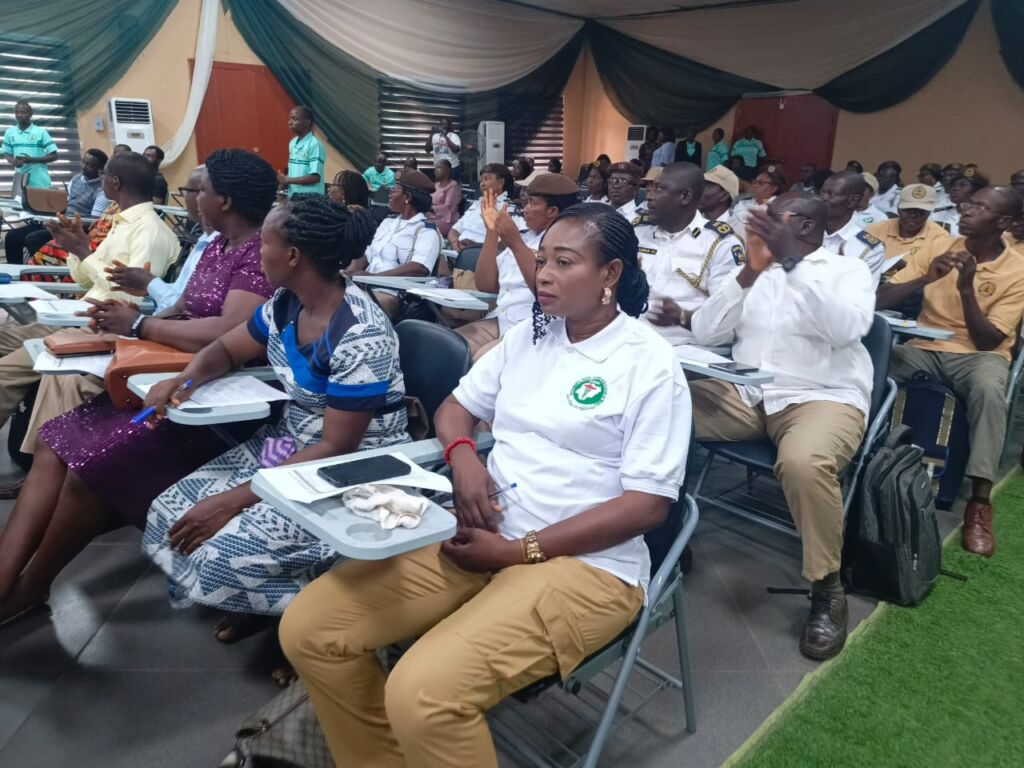
Aderinto stressed that climate change was no longer a distant concern, noting that rising temperatures, irregular rainfall patterns, flooding, food insecurity, land degradation, biodiversity loss, and public health challenges were clear indications of its impact on daily life.
He explained that the government recognized the need to move climate action beyond policy documents into practical governance systems at every level.
According to him, climate change desk officers are expected to serve as drivers of awareness creation, policy coordination, environmental reporting, data gathering, and implementation support within their respective institutions and communities.
The commissioner emphasized that while climate change is a global challenge, its solutions must be locally driven.
“Only localized efforts can produce the kind of results we desire. Oyo State wants to remain at the forefront where others can learn from our efforts,” he stated.
Aderinto highlighted several climate-friendly initiatives undertaken by the state government, including the procurement of 1,650 electric motorcycles for political office holders at the local level, installation of solar-powered streetlights in parts of Ibadan, and the construction of a 12-megawatt alternative energy power plant within the state secretariat.
He added that all climate-related efforts across ministries, local governments, communities, and even private initiatives must be properly documented and reported to strengthen the state’s carbon mitigation profile.
The commissioner disclosed that Oyo State aims to emerge as a national leader in climate governance, noting that the state’s recent rise from 34th to 7th position in climate governance performance was achieved through deliberate commitment to environmental sustainability.
He urged participants to maximize the opportunity provided by the programme to exchange ideas and develop practical solutions for improving climate resilience across communities in the state.
Also speaking, the Chairman of the Oyo State House Committee on Environment, Water and Ecology, Hon. Olorunpoto Abdulrahman, commended the initiative, describing it as a demonstration of genuine leadership and commitment towards environmental responsibility.
He noted that the establishment and training of climate change desk officers across LGAs, LCDAs, and MDAs must go beyond theory and paperwork, stressing that the officers should become active environmental response coordinators within their communities.
Abdulrahman cited persistent flooding caused by blocked drainage systems and indiscriminate waste disposal in Oyo town as examples of environmental challenges requiring grassroots intervention.
He charged the desk officers to promote community sanitation, flood prevention, environmental reporting, and tree planting initiatives while working closely with traditional rulers, schools, community leaders, and other stakeholders to deepen environmental awareness.
The lawmaker assured participants of the House Committee’s continued support for policies and institutional frameworks that would strengthen environmental governance and sustainability in Oyo State.
He added that climate action must move beyond conference discussions into practical community-based implementation capable of delivering visible results for residents across the state.