
Gender Based Violence Advocacy: Silence Must End to Protect Women, Girls in Oyo State –Mrs Makinde
…As First Lady, commissioners push for legal enforcement and cultural reorientation
…As 640 GBV Cases in One Year as Oyo Intensifies Advocacy Campaign
The Wife of the Oyo State Governor, Engr. Mrs. Tamunomini Makinde, has called for a collective shift in social norms and stronger state commitment to end Gender-Based Violence (GBV) across communities in the state.
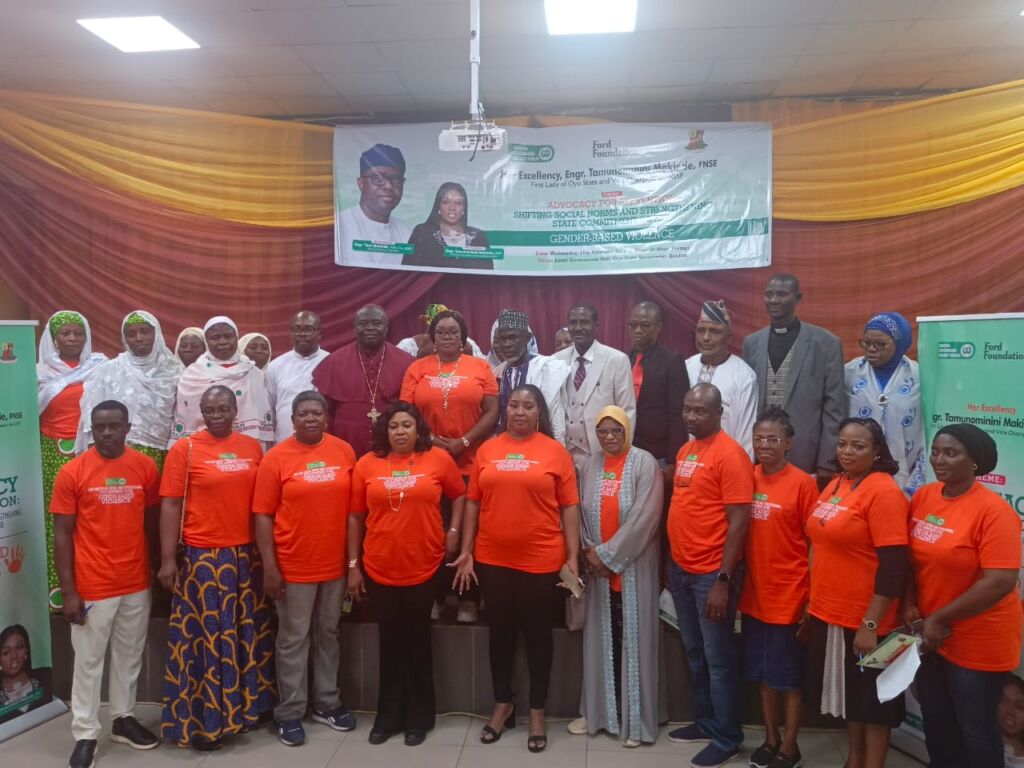
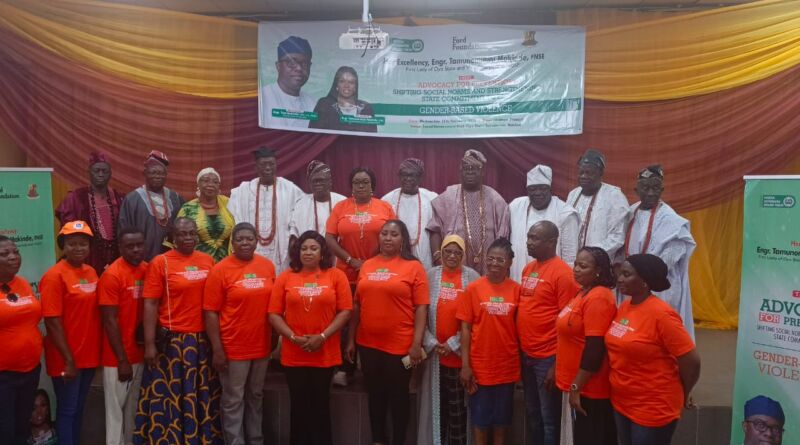
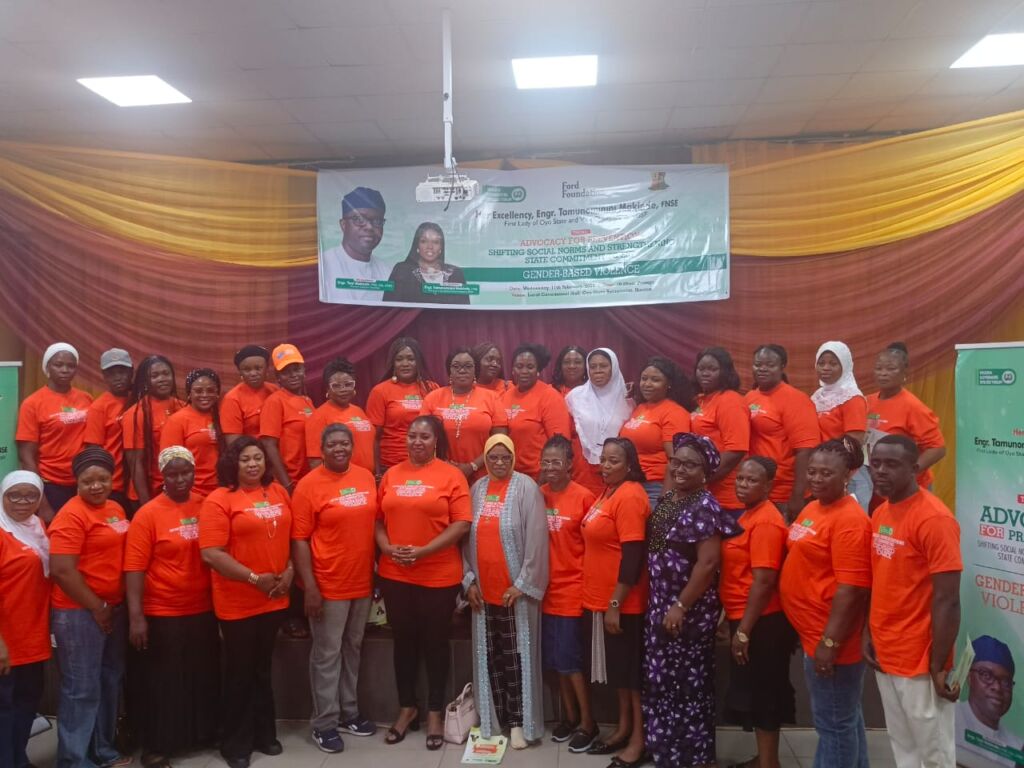
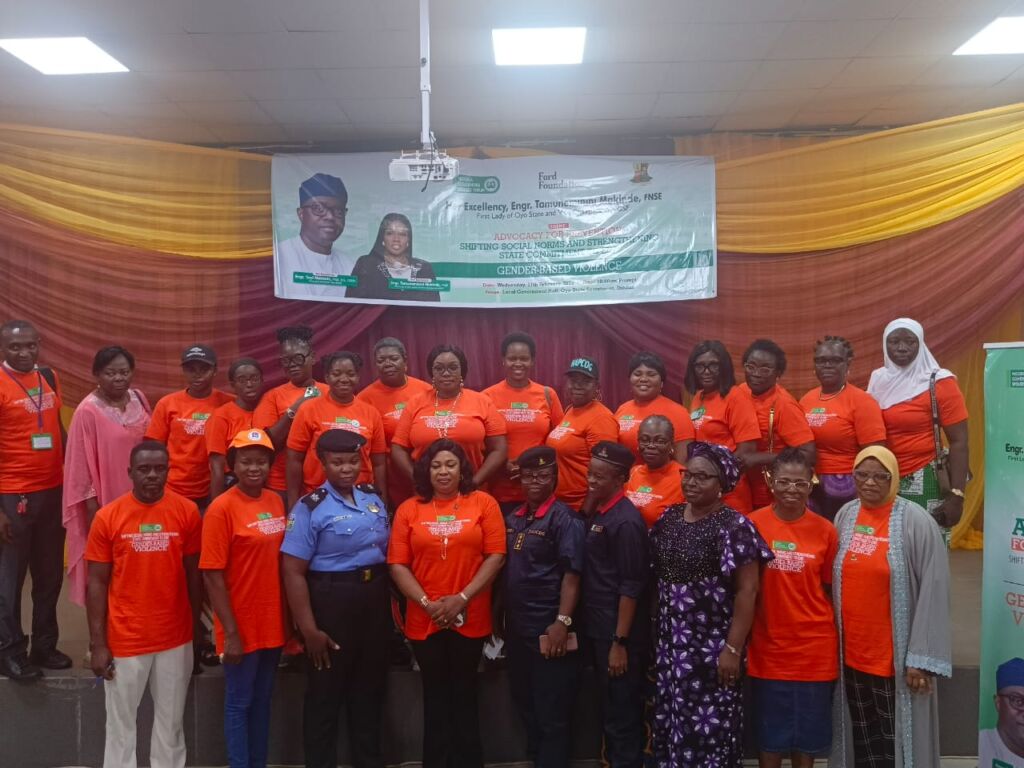
She made this call during a 2 days advocacy programme themed “Shifting Social Norms and Strengthening State Commitment to End Gender-Based Violence”, held at the Local Government Staff Training School Hall, Secretariat, Agodi, Ibadan.
In an emotional address, Mrs. Makinde recounted disturbing real-life cases of abuse involving young girls in the state, describing the experiences as heartbreaking and unacceptable.
She narrated how, barely four months into the administration’s first tenure, she was informed of a case involving a girl under the age of 12 who became pregnant after being gang-raped.
According to her, the child was admitted at the University College Hospital (UCH), Ibadan, and eventually gave birth.
She also referenced other tragic incidents, including the rape of underage girls, extreme physical abuse, and cases where victims lost their lives.
“These are not fictional stories. They are real narratives,” she said, stressing that over the past six years she has encountered numerous cases involving children below the age of 12.
Mrs. Makinde emphasized that while some perpetrators may struggle with drug abuse or mental health challenges, such factors do not excuse violence.
She maintained that society has a moral and collective responsibility to protect vulnerable children and women.
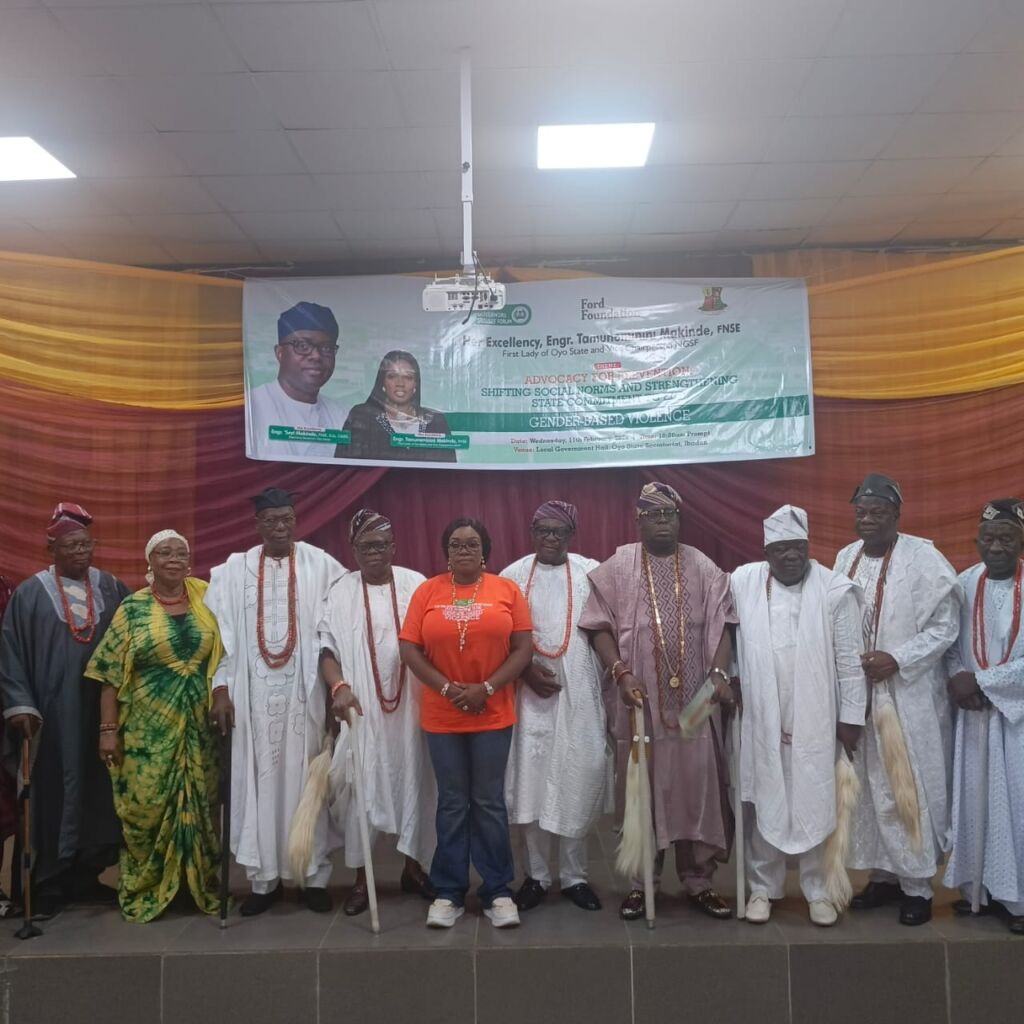
Addressing traditional rulers, religious leaders, and community elders present at the event, the First Lady underscored their critical role in shaping societal values.
“Every society is shaped by the values it protects and the behaviors it corrects. Sexual and gender-based violence thrives where silence is mistaken for culture and harm is excused as tradition,” she stated.
She stressed that violence is not culture, abuse is not discipline, and protecting women and girls strengthens society rather than weakens it.
Mrs. Makinde urged traditional and religious leaders to speak openly against gender-based violence, support lawful interventions and survivor protection
Promote dignity and safety as collective community values.
She described the town hall meeting as a platform for shared responsibility rather than blame, noting that meaningful change requires partnership at all levels.
She encouraged community leaders to translate the materials into local languages, particularly Yoruba, and disseminate them widely through radio and other
accessible channels.
According to her, the materials are not just informational tools but reminders that “every girl deserves safety and every woman deserves dignity.”
“When leaders stand together, silence breaks. When silence breaks, change begins,” she added.
Mrs. Makinde also addressed wives of local government chairmen, describing them as vital links between governance and grassroots communities.
“You hear the whispers before they become crises. You see the patterns before they become statistics,” she said.
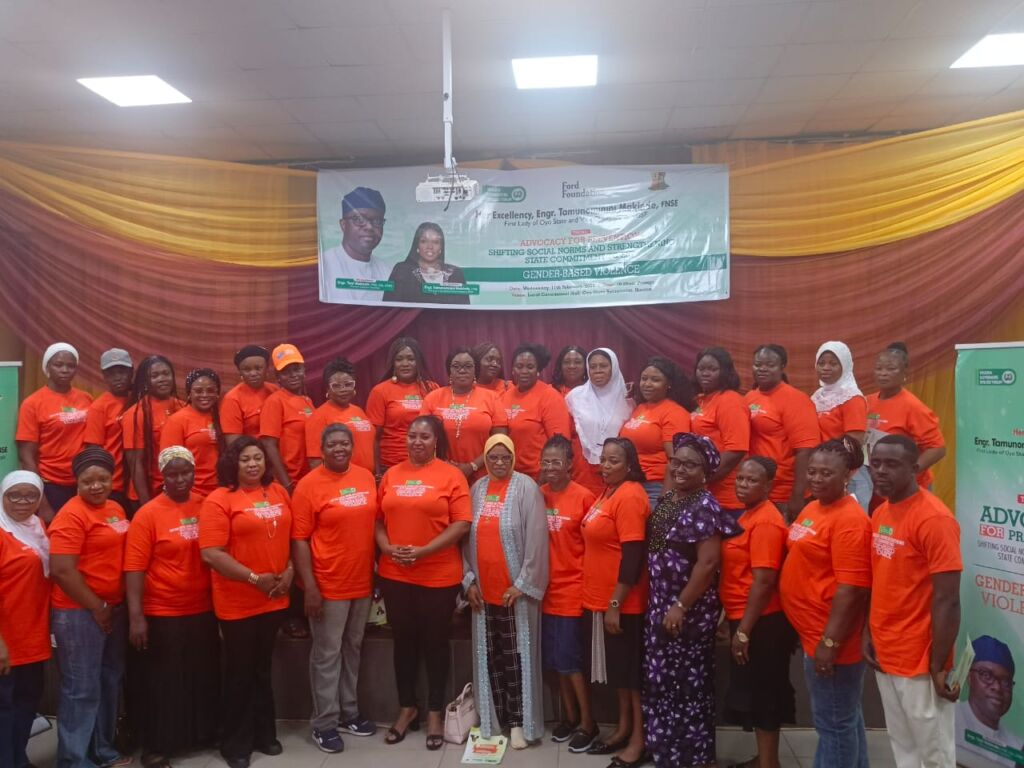
She urged them to act as GBV champions by recognizing early warning signs of abuse
Listening to children and respecting their body language, avoiding the normalization of harmful practices.
She cautioned parents against ignoring subtle signs of distress from children, especially in situations where adults may be exploiting them under the guise of generosity or familiarity.
“The norm changes when trusted voices speak differently and consistently,” she stated, emphasizing that their role is not confrontation or accusation, but conversation, education, and leadership.
Mrs. Makinde encouraged community leaders to lead with compassion and commitment, noting that while the impact of prevention efforts may not always be visible, it will be lasting.
“The change we seek at the state level must be anchored in our communities,” she said.
Earlier in his welcome address, The Commissioner for Justice, Mr. Biodun Aikomo The Commissioner emphasized that Oyo State’s commitment to ending GBV is backed by strong legal frameworks and deliberate policy actions.
He referenced the Violence Against Persons (Prohibition) Law of Oyo State, which provides a comprehensive legal framework to prevent and punish various forms of violence, including domestic violence, sexual abuse, harmful traditional practices, as well as emotional and psychological abuse.
Mr. Aikomo also cited the Child Rights Law of Oyo State, which safeguards children from abuse, exploitation and neglect, ensuring that their best interests remain paramount.
According to him, additional provisions within the state’s criminal justice system further reinforce penalties against perpetrators and promote access to justice for survivors.
Mr. Aikomo
reaffirmed the state government’s commitment to ending Gender-Based Violence (GBV), emphasizing the need to shift harmful social norms and strengthen institutional responses to protect vulnerable citizens.
“These laws represent the State’s firm stance that violence in any form will not be tolerated in Oyo State,” he stated.
In her Goodwill message, The Commissioner for Health, Dr. Oluwaserimi Ajetunmobi reaffirmed the Ministry of Health’s commitment to strengthening the health sector’s response to GBV through provision of psycho-social support and counseling, access to emergency medical care and treatment, proper medical documentation and referral systems
Continuous capacity building of healthcare workers.
She emphasized the need for empathy, confidentiality and professionalism in handling survivors, stressing that no victim should be re-traumatized by the system meant to provide help.
The Ministry, she added, will continue to collaborate with the Ministry of Women Affairs, security agencies, the judiciary and development partners to ensure a coordinated and compassionate response.
In their separate remarks, The Traditional Rulers and the Religious leaders stressed that gender-based violence has become increasingly prevalent, even in remote villages, and therefore requires urgent and widespread intervention.
“This type of advocacy should not remain at the state level alone. It must be taken down to the grassroots and local government levels because the problem is becoming too common, even in the remotest parts of the state,” he said.
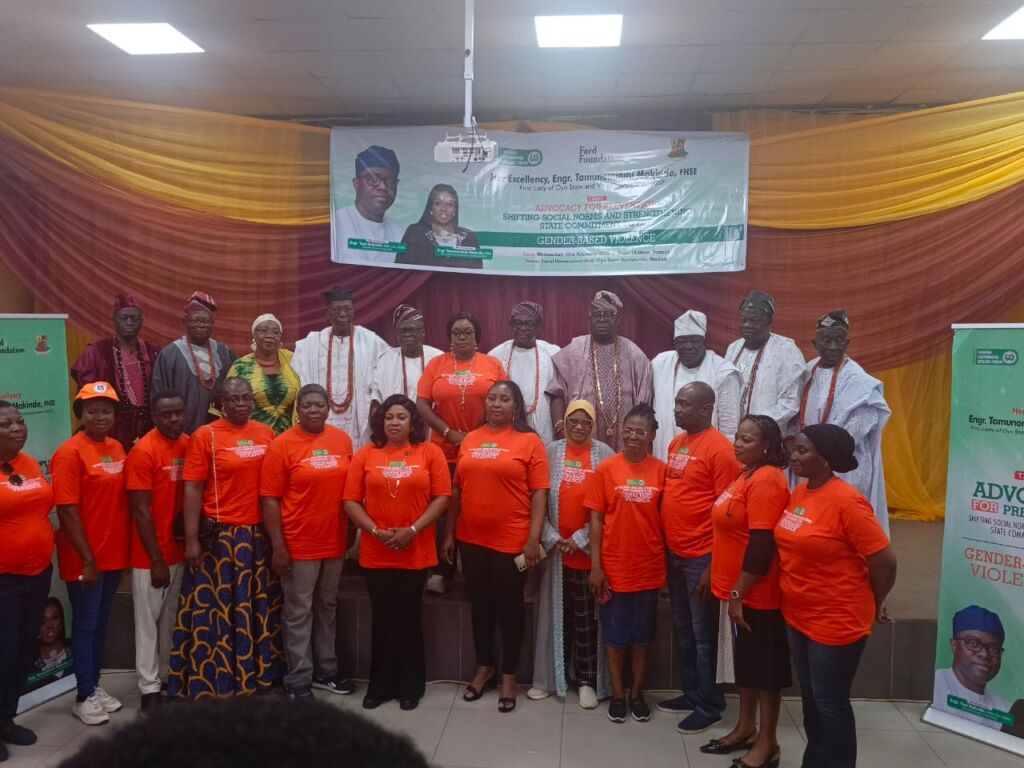
According to them, the consequences of gender-based violence are severe, sometimes resulting in death or lifelong health complications that make life unbearable for victims.
They all called on religious leaders to use their platforms to educate congregants in churches, mosques and other worship centers about the dangers and legal consequences of gender-based violence.
They emphasized that sustained awareness, community education and strict adherence to the law are essential to ending the menace.
In her vote of thanks, The Commissioner for Women Affairs and Social Inclusion, Mrs Toyin Balogun highlighted the need to address harmful social norms and attitudes that enable violence to persist, noting that GBV is often rooted in unequal power relations and abuse.
“If we are serious about ending it, we must be serious about transforming the beliefs and behaviors that sustain it,” she said.
She expressed optimism that through collective effort, Oyo State can build communities where gender-based violence is neither tolerated nor normalized.
The Commissioner urged stakeholders to turn awareness into action and commitment into lasting change.
In their separate remarks, The former Permanent Secretary Ministry of Women Affairs and Social, Mrs Christiana Abioye and the Head of Rapid Response Team of GBV in the ministry, Mrs. Abioye attributed the persistent underreporting of cases to entrenched cultural norms that discourage victims, especially girls, from speaking out.
“In our culture, many are taught to remain silent even when abused. This is why cases involving stepfathers, uncles, brothers and other familiar persons often go unreported,” she said.
She emphasized the need to dismantle the culture of silence through sustained education and community engagement.
According to her, traditional rulers and religious leaders play a critical role as gatekeepers in society and must use their platforms to promote awareness and encourage victims to speak up.
While the head of Rapid Response Team Against GBV, Mr Marcus Williams disclosed that the team has recorded close to 640 reported cases in 12 month, explaining that while many of the reports are genuine, some individuals attempt to misuse the response mechanism to settle personal or workplace disputes.
“Whenever we receive reports, we conduct preliminary inquiries, what happened, where, how and why. If the complainant cannot provide clear details or refuses to approach the nearest security agency, we often discover that such reports are false,” he said.
Despite these challenges, Williams noted that the Rapid Response Team has made significant strides, including averting potential kidnapping incidents through prompt intervention and apprehending core perpetrators of violence against persons
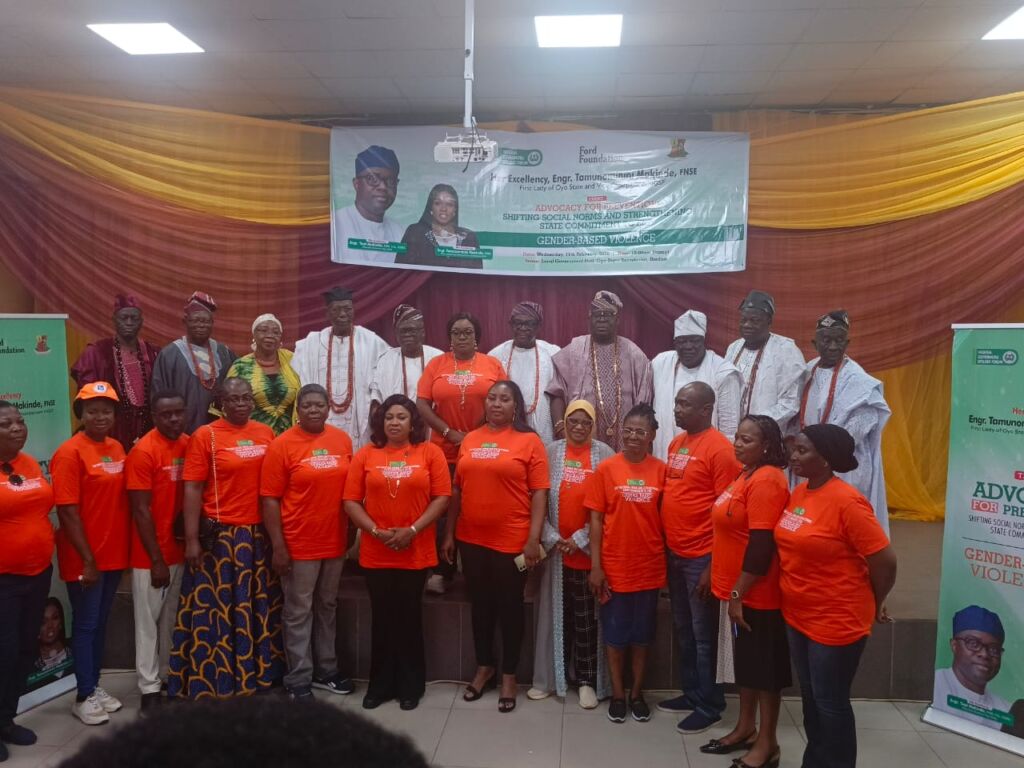
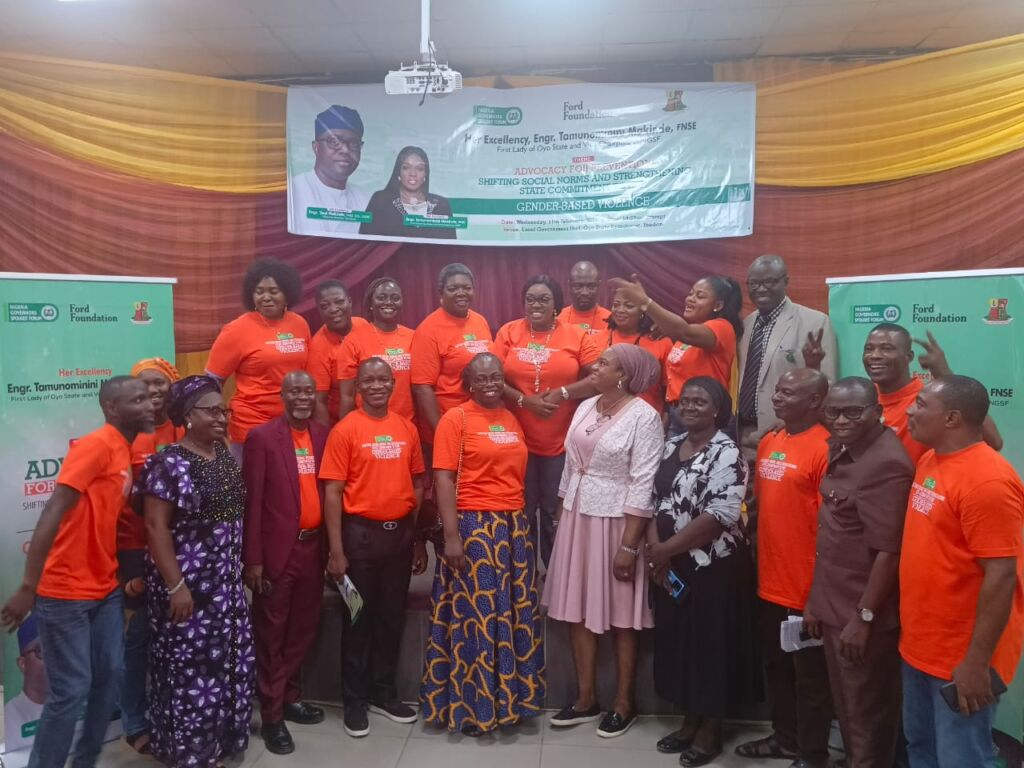
The advocacy event brought together traditional rulers, religious leaders, community stakeholders, and local government representatives, all united in the call to end gender-based violence in Oyo State.