
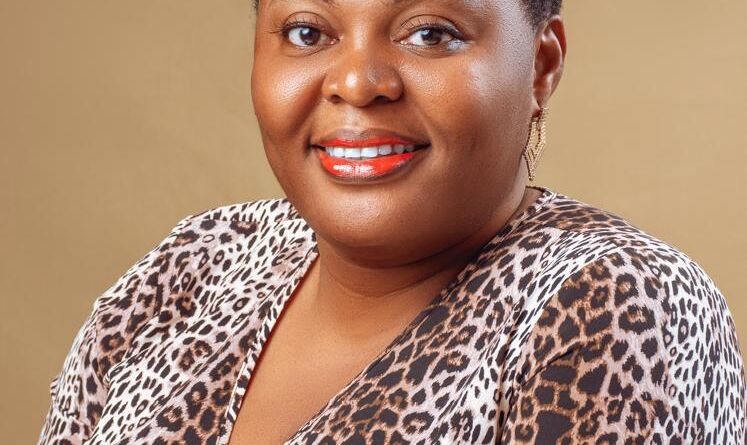
How Ignorance, Stigma, Policy Failure Are Killing Nigerians with Brain Diseases–Dr. Farombi
…As Neurologist urges lawmakers to act as dementia, epilepsy, and stroke cases rise nationwide
A Nigerian brain health expert and neurologist, Dr. Temitope Farombi, has raised serious concerns about widespread stigma surrounding neurological diseases, weak health policies, and the absence of functional systems to manage brain-related conditions across the country.
Dr. Farombi, a consultant neurologist and Managing Director of Brain Center Neurocritical and Rehabilitation Services, Ibadan, said misconceptions about dementia, epilepsy, and stroke have led to abuse, neglect, and even death of vulnerable Nigerians, especially the elderly.
Speaking on brain health and public awareness, She explained that many older women suffering from dementia are still wrongly labeled as witches in some communities.
“There are cases where elderly people wander away from home due to dementia and are attacked, beaten, or even burned to death because they are believed to be witches,” She said.
According to him, the problem is deeply rooted in poor public knowledge and overreliance on religious interpretations rather than medical explanations.
Dr. Farombi disclosed that his organization began a nationwide anti-stigma campaign in 2019 after repeatedly seeing elderly patients arrive at hospitals with bruises and signs of abuse.
“Relatives would say things like ‘Mama is too stubborn’ without understanding that the behaviour may be due to brain disease, not old age or witchcraft,” She noted.
To address this, her team launched a public awareness drive, including the popular slogan “Dementia no reach back”, which gained national media attention and helped encourage families to seek medical help.
She added that while awareness has improved, Nigeria still lacks enough skilled professionals to manage neurological conditions.
“We have fewer than 100 neurologists serving a population of over 200 million people. Patients wait too long before seeing specialists, and many die or suffer irreversible damage,” She said.
To bridge the gap, Dr. Farombi said her organization now focuses on training family caregivers and primary healthcare workers, especially in rural communities.
The training emphasizes non-drug approaches to dementia care, early identification of symptoms, and timely referral to specialists.
“There are simple non-pharmacological methods that can improve quality of life for people living with dementia while they wait to see a specialist,” She explained.
The neurologist also warned that stroke has become one of the leading medical emergencies among young adults in Nigeria, driven by hypertension, diabetes, stress, poor sleep, smoking, substance abuse, and lack of routine health checks.
“Many young people don’t check their blood pressure, sugar levels, or cholesterol. By their mid-30s or early 40s, they come down with stroke. Half of them die; the rest may live with lifelong disability,” he said.
“Epilepsy is not infectious. With proper treatment, people can live normal lives. But stigma keeps many from seeking help,” She added.
Dr. Farombi, who is also the founder of a telemedicine and health technology company, described Nigeria’s health system as fragmented and poorly regulated.
She stressed that telemedicine could help address the shortage of doctors in rural areas but noted that Nigeria currently has no clear policy framework for telemedicine practice or health data protection.
“You cannot do telemedicine without data infrastructure, regulation, incentives, and security for health information,” She said.
She noted that most telemedicine efforts are driven by the private sector, with no government-owned platform or incentives for doctors.
In December, Dr. Farombi said he formally wrote to the Speaker of the House of Representatives, calling for legislative support for brain health issues, including dementia, stroke, epilepsy, Parkinson’s disease, and traumatic brain injury.
“Brain health is an umbrella issue, but Nigeria has no comprehensive policy addressing it,” She said.
She emphasized that legislative backing is crucial to protect patients from discrimination, strengthen primary healthcare, support caregivers, and ensure routine health screening, especially for the elderly.
Dr. Farombi also decried the unchecked activities of unlicensed drug sellers and fake health practitioners.
“People hawk drugs under the sun. Even paracetamol, when abused, can destroy the liver. Yet anyone can sell or prescribe drugs in Nigeria,” She said.
She blamed poor regulation for rising antibiotic resistance, preventable deaths, and medical complications.
Sharing a personal experience, She revealed that a close family member died due to mismanagement by unqualified practitioners.
“I speak from a place of pain. Quackery killed my sister. Many Nigerians don’t even have a voice to speak out,” She said.
Dr. Farombi called for urgent inter-ministerial collaboration involving the Ministries of Health, Education, and Information, as well as stronger enforcement of healthcare regulations.
She also advocated for brain health education to be included in school curricula and for government-led data collection to guide policy decisions.
“Nigeria does not lack ideas. What we lack is a functional system.
Until we fix the system, people will continue to die from preventable brain conditions,” She concluded.